
Offshore training for freshers in Kerala

Top Benefits of Offshore Training for Freshers in Kerala

Kerala has quietly turned into one of the go-to states for freshers who want to break into oil and gas  and honestly, a big part of that comes down to how many offshore training programs are now available close to home. If you’ve just finished 12th, a diploma or an engineering degree, working offshore can feel like a distant, almost intimidating idea. Offshore training exists to close exactly that gap. It takes curiosity and turns it into a skill set someone will actually hire you for. So if you’re a fresher trying to decide whether offshore training is worth the time and money, here’s an honest look at what it actually offers and why so many young professionals in Kerala are choosing this route.

1. It Opens Doors to a Genuinely Global Career

One of the best things about offshore training is that it isn’t tied to one country or region. Oil and gas operations run across the Gulf, Southeast Asia, Africa and beyond and the skills you build through offshore training travel with you. They’re recognized well outside Kerala even outside India. For freshers who’ve always wanted to work abroad, this is often the quickest, most structured way to get there. Compare that to other career paths where you need years of domestic experience before anyone even considers you internationally.

2. Freshers Don’t Need Years of Prior Experience

Here’s what makes offshore training different from a lot of technical careers: it doesn’t expect you to already know something. Courses are built for people starting from zero, taking them through theory and hands-on practice step by step. That’s a big deal for freshers who are ready to work now and don’t want to spend years gathering experience elsewhere just to qualify.

3. Hands-On Learning Builds Real Confidence

No amount of classroom study prepares someone for what an offshore site actually feels like. The better offshore training programs lean heavily on practical exposure. Simulators, safety drills, equipment handling that mirrors real rig conditions. This matters more than people expect, because there’s a real gap between understanding something on paper and being able to perform it when it actually counts. Freshers who go through this kind of structured, hands-on training tend to walk into their first job noticeably more confident than those who’ve only studied the theory. Employers pick up on this fast, usually within the first week of onboarding.

4. It Significantly Improves Job Readiness

Recruiters in oil and gas aren’t hiring people for a general interest in the field. They want candidates who already understand safety protocols, industry terminology and basic operational procedures before they’ve even set foot on site. That’s precisely what offshore training delivers, and it cuts down the learning curve considerably once someone is actually hired. It’s also a big reason offshore training graduates tend to get placed faster than freshers coming in with academic qualifications alone. The training does the groundwork employers would otherwise have to handle through long, expensive in-house onboarding.

5. Higher Earning Potential Compared to Unskilled Roles

Even entry-level offshore roles tend to pay noticeably more than comparable entry-level jobs in other industries largely because the work is specialized and takes place in a safety-critical environment. Freshers who complete recognized offshore training programs generally qualify for roles with stronger starting salaries than what they’d land in a typical first job elsewhere. And that earning potential doesn’t plateau. As freshers gain experience and pick up further certifications, it tends to grow quite a bit, especially for those who specialize into areas like inspection, quality control or safety operations.

6. Specialization Options Let You Shape Your Own Path

Offshore training isn’t a one-size-fits-all deal. Depending on what interests you, you can go into non-destructive testing, quality assurance and control or fire and safety each one leading down a different career path. This flexibility matters a lot for freshers who aren’t fully sure yet which direction suits them, since offshore training often works as a foundation first, with specialization coming later once there’s more clarity. Kerala has seen a real rise in institutes offering this layered kind of training, letting freshers start broad and narrow things down as they figure out what fits.

7. Strong Local Access Without Needing to Relocate

For freshers already in Kerala, proximity is an underrated benefit. Instead of relocating to another state or spending heavily on travel and accommodation just to access decent offshore training, many freshers can now find solid programs close to home. That local access means more consistent attendance, staying near your support system and skipping the extra financial strain that comes with relocating during training.

Calicut, in particular has grown into something of a regional hub for offshore training, institutes there are increasingly known for a practical, industry-relevant approach rather than a purely theoretical one.

8. Safety Training Reduces Risk From Day One

Offshore work carries real risk and good offshore training doesn’t treat safety as an afterthought. It’s built in from the start. Many of these modules follow standards set by OPITO, the body that certifies safety training across the offshore industry worldwide, covering emergency response, firefighting basics, sea survival and general risk awareness long before freshers ever set foot on an actual site. his isn’t a box-ticking exercise. It genuinely reduces the odds of freshers getting caught off guard by situations they’ve never trained for. Employers care about this a lot too. A candidate who’s already safety-trained needs far less hand-holding once they’re on the job, which makes them a noticeably more attractive hire from day one.

9. Networking With Industry Professionals

Something that tends to get overlooked: the access freshers get to real industry professionals during offshore training. A lot of institutes bring in trainers who’ve actually worked offshore and some go further, organizing recruiter interactions or industry visits. These connections can end up being just as valuable as the certificate. A lot of offshore hiring still happens through referrals and word of mouth within the industry not just applications.

10. It Builds a Long-Term, Scalable Career

Offshore training was never just about landing that first job. It’s about setting up a career that can actually grow. Freshers who start with foundational offshore training often go on to pursue advanced certifications, move into supervisory roles or specialize further as they gain experience. There’s real progression here not a dead end after the first placement.

What to Expect During an Offshore Training Program

If you haven’t gone through anything like this before, it helps to know roughly what to expect. Most offshore training programs mix classroom sessions on industry fundamentals with practical, simulator-based training that mimics real offshore conditions. Depending on the specialization that could mean equipment handling, safety drills, inspection techniques or quality control procedures. Programs typically run anywhere from a few weeks to a few months, depending on how deep the specialization goes. Reputable institutes also tend to build in assessments throughout the course rather than relying on one final exam. So freshers build competence gradually instead of cramming everything at the last minute. Knowing this going in helps freshers set realistic expectations and actually commit to the process rather than treating it as a quick formality on the way to a job offer.

Choosing the Right Offshore Training Institute in Kerala

Since offshore training can shape a fresher’s entire career trajectory, choosing the right institute matters just as much as choosing to train in the first place. Look for programs with strong placement records, trainers who’ve genuinely worked offshore and hands-on facilities rather than purely theoretical coursework. Freshers researching oil and gas courses in Calicut should also check whether the institute has industry connections that go beyond just handing out a certificate.

The best oil and gas institute in kerala has built its reputation around exactly this kind of practical, placement-focused offshore training. With a curriculum that blends real hands-on practice with guidance from trainers who’ve actually worked in the field, Rig Offshore Academy has positioned itself as a solid starting point for freshers who are serious about building a genuine offshore career, not just collecting another certificate.

Conclusion

Offshore training gives freshers in Kerala a real, structured path into an industry that can otherwise feel out of reach. From global career opportunities and stronger starting salaries to safety preparedness and room to specialize, the benefits go well beyond having a certificate to show for it. For anyone serious about stepping into the oil and gas sector, putting in the time on the right offshore training program early can be the difference between struggling to break in and starting a career with real momentum behind it.
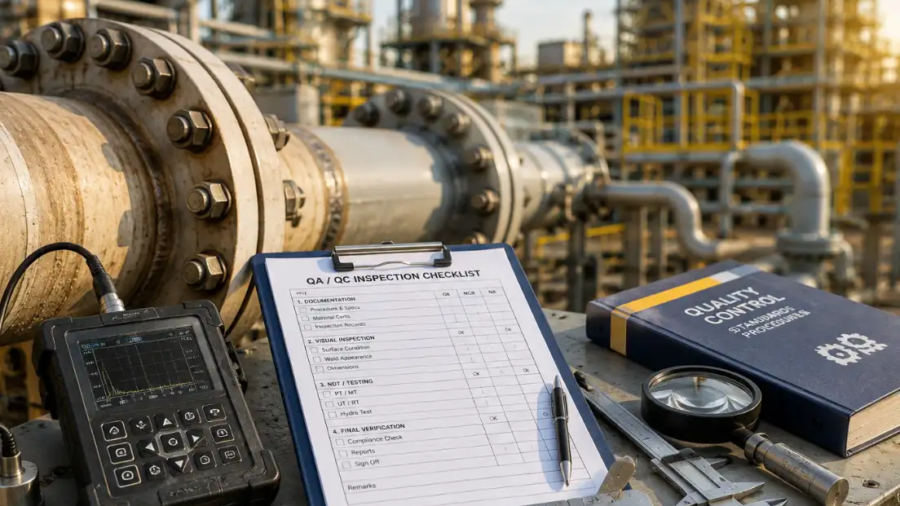
qa qc course rig offshore academy

Thinking of Joining a QA/QC Course? Here’s What to Know First

Scroll through any oil and gas job board for five minutes and you’ll run into the term QA/QC over and over. It’s on almost every listing. And that’s not a coincidence. Every pipe, weld or structure that goes into a rig or refinery has to clear strict quality checks before anyone signs off on it. Somebody has to be the one doing that checking. That’s the job. Before you enroll in the first course that shows up in a Google search though, it’s worth actually understanding what you’d be signing up for. QA/QC isn’t a side gig or a quick certificate to pad your resume. It comes with real responsibility and knowing what the field actually involves before you commit will save you a headache down the line.

QA and QC Aren’t the Same Thing

People say “QA/QC” like it’s one word, but the two halves mean different things.

Quality Assurance is the planning side. It’s about setting up processes so that a project gets built correctly from the start, following whatever standards apply. It’s preventive, in a sense. You’re trying to stop mistakes before they happen.

Quality Control is what happens after something’s built. It’s the inspection, the testing, the checking whether the final product actually matches the spec. If a weld doesn’t hold up or a material fails a test, QC is what catches that before it turns into an expensive (or dangerous) problem later.

Most courses cover both sides together and that’s the point. Understanding just one half doesn’t get you very far in this line of work.

Who Actually Fits This Career?

A lot of people assume you need an engineering degree to even consider this. Not true, at least not always. Depending on the institute, courses accept candidates with diplomas, degrees, or sometimes just a +2 qualification. A technical background helps, sure, but it’s not always a dealbreaker. What matters more is whether you’re someone who notices details other people miss. Documentation and reporting are a big part of the job, so if paperwork makes you want to run in the other direction, this might not be the field for you. But if you don’t mind that side of things and want stability in an industry that isn’t going anywhere anytime soon, it’s worth a serious look.

What Actually Gets Taught

A decent QA/QC course won’t just hand you a textbook and call it done. You should expect to work through:

  • Quality management systems, including relevant ISO standards
  • Welding inspection and material testing basics
  • Documentation, audit procedures and reporting formats
  • Industry-specific codes, particularly for oil and gas or construction
  • Hands-on inspection practice, not just classroom theory

Ask for the syllabus before you enroll anywhere. Some courses lean too heavily on theory and barely touch practical training and that gap shows up fast once you’re on an actual job site.

How Long Are We Talking?

Nobody’s asking you to commit years of your life here. Most QA/QC certifications run somewhere between a few weeks and a few months, depending on how deep the curriculum goes and whether it includes lab work. That’s part of why it appeals to people already working who want to shift careers without starting from zero again.

Is the Job Demand Actually There?

Yes, and this is really the whole reason people look into this field in the first place. Oil and gas companies, construction firms, manufacturing plants, they all need people checking that projects meet safety and quality benchmarks. Skipping that step isn’t just sloppy paperwork. It can mean safety hazards, delays and money lost, sometimes a lot of it. Once you’re certified, you’re looking at roles like QA/QC Inspector, Quality Control Engineer, Documentation Controller, or Site Quality Supervisor. And depending on your experience level, opportunities aren’t limited to India. Gulf countries continue hiring steadily for these positions too.

What to Actually Check Before You Enroll

Not every QA/QC course is worth your money, so it helps to ask a few questions first.

Is the curriculum current, or is it teaching standards that industries stopped following years ago? Does the course include real hands-on training, or is it mostly slides and lectures? Have the instructors actually worked in the field or are they teaching purely from a manual? And maybe most importantly, does the institute help with placement afterward, or do you walk out with a certificate and no direction?

Eligibility matters too. If you’re coming from a non-technical background, check whether the course is actually structured to accommodate that.

If you’re in Kerala and weighing your options, it’s worth looking into a qa and qc course in kerala that pairs solid theory with genuine practical exposure, rather than one or the other.

Where Rig Offshore Academy Comes In

This is roughly where an institute like Rig Offshore Academy fits into the conversation. Based out of Kozhikode, Kerala, they’ve been training students for oil and gas careers for a while now and QA/QC sits alongside their other core programs like NDT Level II, Fire and Safety and the Oil and Gas Diploma course. What stands out with a setup like this is the focus on actually getting hired, not just finishing a course. Faculty bring real industry experience into the room instead of reading off a syllabus and the placement support afterward removes a lot of the “okay, now what?” uncertainty that tends to follow certification programs. If you’re comparing institutes, it’s the kind of option worth putting on your list.

A Few Things Worth Being Honest About

QA/QC work isn’t flashy. There’s a lot of documentation involved, plenty of repetition and it demands patience most people underestimate going in. If you’re picturing a low-effort desk job, this probably isn’t it. But if you’re fine being the person who catches the problem before it becomes a disaster, there’s real satisfaction in that. Your work actually matters here, in a way that’s easy to point to. Also worth remembering: a certificate by itself won’t land you a job. What actually helps is how well the course prepared you practically and how much you put in beyond just attending classes, staying current with standards, getting comfortable with real inspection scenarios, that kind of thing.

Conclusion

A QA/QC course can genuinely open doors to a stable, in-demand career, but it’s not something to jump into blindly. Understand what QA and QC actually mean day to day, check that you meet the eligibility requirements and pick an institute that offers real practical training along with placement support, not just a certificate at the end of a few weeks. If you’re serious about this path, take the time to compare a few institutes. Ask about their curriculum, their placement record, whether their faculty has actually worked in the field. The right course, taught properly, can be the first real step toward a long-term career in oil and gas.

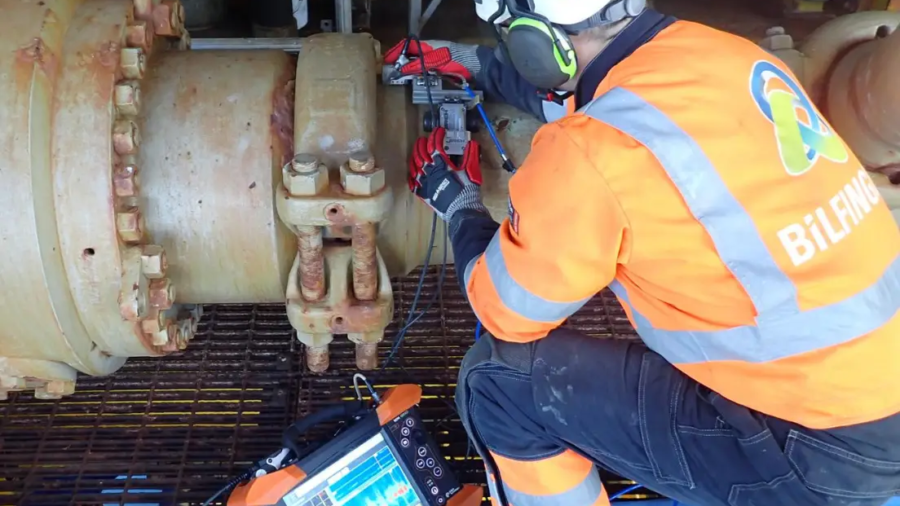
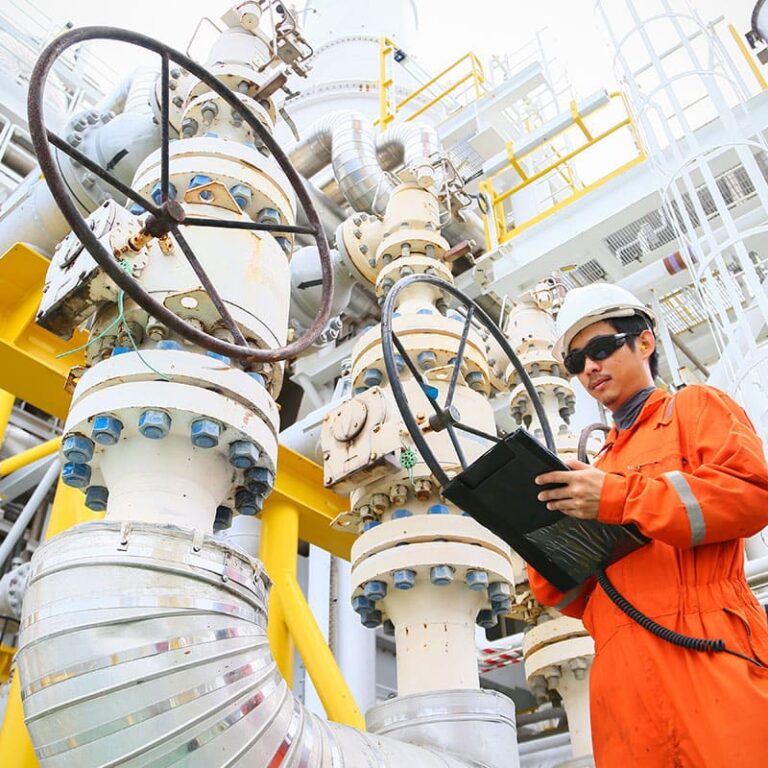
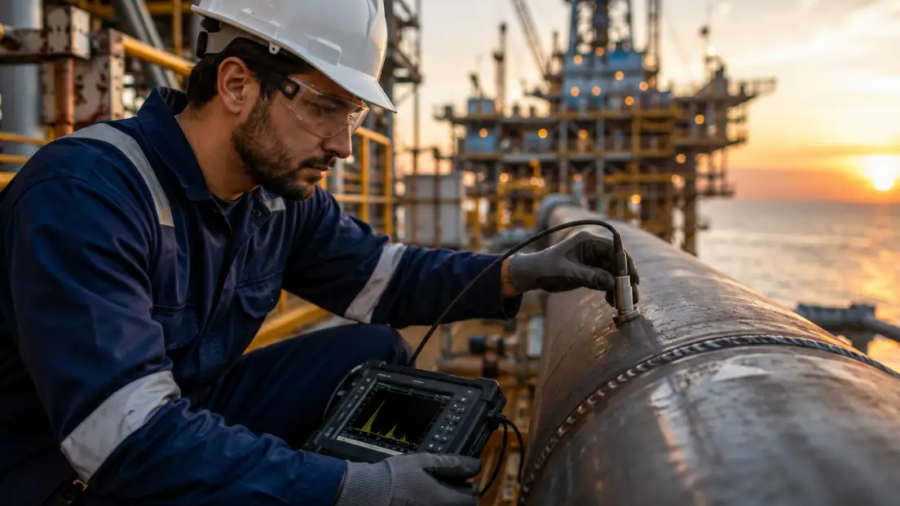
NDT technician performing ultrasonic inspection

Career Scope After NDT Training in the Oil and Gas Sector

Ever wonder how a pipeline that’s been sitting underground for twenty years, or a rig platform getting battered by salt water every single day, doesn’t just fail out of nowhere? Somebody’s checking it. Constantly. And they’re doing it without cutting the metal open or taking anything apart. That’s NDT – Non-Destructive Testing – and it’s one of those careers people don’t hear much about until they’re already looking for a technical job in oil and gas. If you’re weighing your options right now, here’s the short version: NDT training is one of the more practical, steady paths into this industry. It’s technical enough that not everyone can do it, which keeps demand high and it applies to almost every stage of oil and gas work – onshore, offshore, refineries, pipelines, you name it. Let’s get into why, and where it can actually take you.

What NDT Training Involves

At its core, NDT means checking welds, tanks, pipes and structural parts for cracks, corrosion, or hidden weak points, using methods like ultrasonic testing, radiography, magnetic particle inspection and dye penetrant testing. None of these damage what’s being tested. That’s the whole point – you get the answer without wrecking the part. A decent training program doesn’t just throw theory at you. It puts you in front of real equipment, walks you through safety protocols and gets you ready for internationally recognized certification standards like ASNT SNT-TC-1A. Most people progress through levels – Level I, then Level II, eventually Level III if they stick with it – and each step up means more responsibility and a better paycheck.

Why This Industry Depends on NDT Technicians So Heavily

Oil and gas equipment takes a beating. Pipelines are pushing corrosive fluid under pressure all day. Offshore rigs deal with saltwater and brutal weather. Refineries run hot, nonstop. One missed crack in a weld and you’re looking at a leak, or worse, an explosion that costs millions and puts people’s lives on the line. That’s exactly why inspections aren’t optional – they’re written into safety regulations and company policy. And because they’re mandatory, the demand for people who know how to do them properly just doesn’t dry up. If anything, as infrastructure across the world keeps aging, there’s more inspection work coming, not less.

Where NDT Training Can Take Your Career

This is really the part people care about most. Here’s what the career ladder tends to look like once you’re certified.

NDT Technician (entry to mid-level)

Most people start here. As a Level I or Level II technician, you’re the one out on the plant floor or at the site, running the ultrasonic or radiographic tests yourself, writing up what you find and flagging anything that needs a closer look. Pay at this stage is already decent compared to a lot of other technical trades and it goes up fast once you’ve logged enough field hours and picked up more certifications.

Quality Control Inspector

A lot of technicians move into QC roles eventually. Instead of just running the tests, you’re overseeing the bigger picture – making sure welds actually meet spec, materials pass whatever standard applies and the paperwork holds up during an audit. If you already understand inspection at a technical level, this move feels pretty natural.

Site Supervisor or NDT Team Lead

Enough years in the field and you start managing people instead of just equipment. This means scheduling inspections across a site, reviewing everyone’s reports, training the newer technicians and talking directly with project engineers. Less hands-on with the tools, more about keeping the whole operation running smoothly.

NDT Level III Specialist

Getting to Level III is a big deal. These are the people writing the inspection procedures, approving which techniques get used on a job, certifying other staff and settling disputes when two inspectors disagree on a result. It’s one of the highest-paying tiers in this field and it comes with a lot of respect industry-wide.

Consultant or Independent Inspector

Once you’ve built up a solid reputation and a stack of certifications, going independent becomes a real option. Companies bring in outside NDT consultants for one-off audits, third-party checks, or specialized jobs their own team can’t handle. It’s not for everyone, but it’s a legitimate path.

Working Abroad

Certifications under ASNT or PCN standards travel well internationally. So someone trained in India, for example, can end up working across the GCC, Southeast Asia, or Europe without starting from scratch. The Middle East especially has a strong appetite for skilled NDT professionals, often with tax-free pay that makes the move worthwhile.

It’s Not Just Oil and Gas

Oil and gas is the biggest employer for NDT-certified people, sure, but the skills carry over into aerospace, shipbuilding, power plants and construction too. That cross-industry demand is honestly one of the underrated perks – even if oil and gas hiring slows down for a stretch, there are other sectors that need the exact same skill set.

What Actually Makes You More Hireable

Passing the certification gets you in the door. A few other things separate the people who move up quickly from the ones who stall:

  • Being able to write a clear, accurate inspection report – engineers and auditors need to read it fast and trust it
  • Knowing more than one NDT method instead of specializing narrowly, since employers usually want flexibility
  • A working understanding of welding and metallurgy, so you actually know what you’re looking at
  • Being okay with physically demanding environments, particularly if offshore work is on the table
  • Being open to relocating, since a lot of the better-paying jobs are offshore or overseas

Starting Off on the Right Foot

Where you train actually matters more than people expect. A lot of aspiring technicians end up underprepared because their program leaned too hard into theory and didn’t give them enough real time with equipment. That gap shows up fast once you’re on an actual job site.

Rig Offshore Academy as the best oil and gas institute in kerala was built specifically to close that gap – training that’s hands-on and matches what real offshore and onshore work actually looks like, not just what gets you through an exam. For anyone wanting a solid grounding in ultrasonic and radiographic testing specifically, the NDT Level II course in Calicut is worth a look – it takes you from the basics straight through to the practical skills employers are actually checking for.

Conclusion

NDT training leads somewhere real. Whether you end up as a field technician, move into QC, climb to Level III or eventually go independent, there’s a clear path forward as you rack up experience. And since the skills transfer to industries well beyond oil and gas, it’s a genuinely solid entry point for anyone chasing a stable technical career. Where you start still matters, though. A program that actually gets you hands-on with the equipment, like the one at Rig Offshore Academy, is what separates people who walk into their first inspection job with confidence from people who are still figuring it out on someone else’s dime.

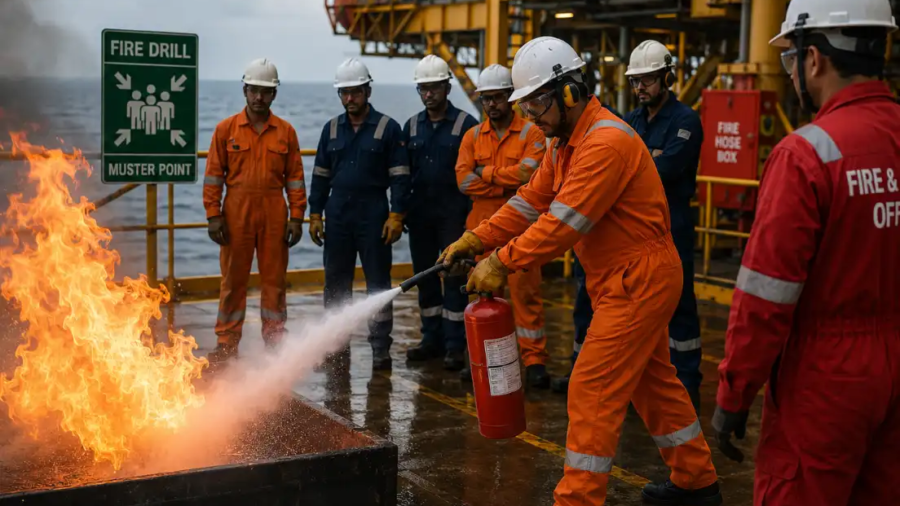
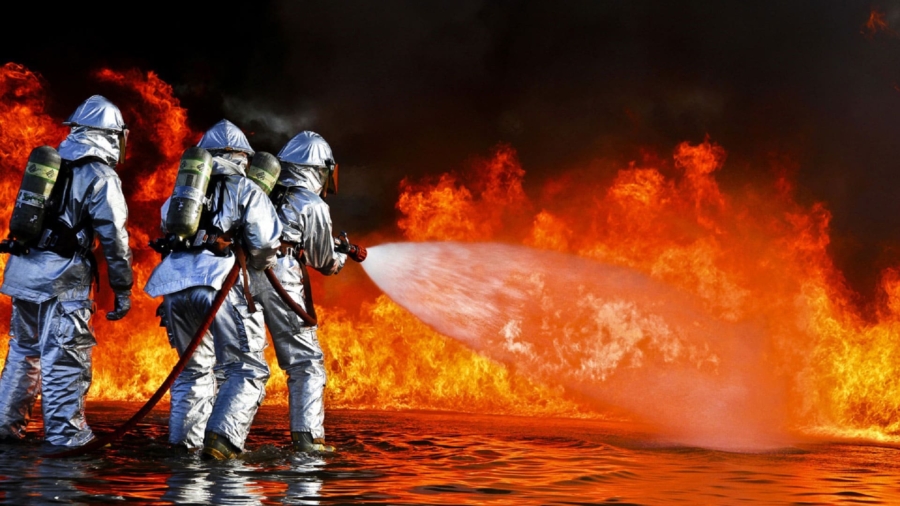
Offshore fire safety drill

How Fire and Safety Training Prepares You for Real Offshore Emergencies

Offshore oil and gas platforms rank among the toughest work environments anywhere in the world. Workers spend their shifts around flammable materials, high-pressure systems and tight, confined spaces, often stationed hundreds of kilometers from the nearest shore. Under these conditions, something as small as a spark or an overlooked leak can spiral into a genuine emergency within minutes. That’s the real reason fire and safety training holds so much weight in the oil and gas industry. it’s not a resume booster, it’s a baseline requirement for staying alive on the job. There’s a common assumption that safety training begins and ends in a classroom memorizing fire triangles, extinguisher categories and a list of dos and don’ts. That foundation matters, no doubt. But what actually gets a worker ready for a real offshore emergency goes well past textbook material. It comes down to building instinctive reactions, learning the specific risks tied to rig environments and rehearsing under conditions that come close to replicating actual chaos.

Why Offshore Fires Play by Different Rules

A fire breaking out at a land-based industrial site and one breaking out on an offshore rig aren’t remotely comparable challenges. Out on a platform, there’s no easy exit strategy, you can’t just walk out the door or drive off site. Workers are boxed in by water on all sides, frequently working at height, surrounded by pressurized gas lines, storage tanks and electrical wiring packed close together. A fire starting in one area can spread rapidly given how tightly most rigs are laid out. Throw in strong winds, cramped walkways and hydrocarbons sitting nearby and things can turn dangerous faster than most people would guess. That’s precisely why offshore fire response can’t rely on general awareness alone. It demands training built specifically around these conditions.

Building Instinct, Not Just Information

Arguably the biggest payoff from solid fire and safety training is muscle memory. When an actual emergency hits, there’s rarely time to sit and recall theory. Stress narrows a person’s focus and instinct tends to take over from there. Good training programs are designed with this exact reality in mind. Trainees run through repeated drills locating and operating firefighting gear in low visibility or blindfolded, practicing evacuation routes until the path becomes automatic, reacting to simulated alarms without a moment’s hesitation. Over time, these movements stop feeling like conscious choices and start becoming reflex. That shift is what separates a person who freezes mid-crisis from one who acts within seconds.

Knowing Fire Classes and Matching the Right Response

Fires don’t all behave the same and reaching for the wrong extinguishing method can make a bad situation worse. A fire fed by flammable liquids calls for a completely different approach than an electrical fire or one sparked by combustible metals. Training programs put real time into helping workers correctly identify fire classes and pair them with the right suppression method. On an offshore platform, where hydrocarbon fires remain a constant threat, this isn’t something learned for the sake of an exam. It’s what decides whether a fire gets contained early or spreads out of control.

Running Simulated Emergency Drills

The most valuable piece of any serious fire and safety program is arguably the simulated drill. These are built to mirror, as closely as possible, the sensory overload that comes with a real incident blaring alarms, smoke-filled rooms, poor visibility and the clock ticking.

Workers practice things like:

  • Finding and operating firefighting equipment when visibility is poor
  • Following evacuation procedures to reach muster points
  • Communicating clearly with teammates while under pressure
  • Helping injured colleagues without putting themselves at risk
  • Working alongside a fire team or safety officer during containment

Drills like these also reveal gaps in understanding that would never show up in a classroom. Knowing an evacuation route on paper is one thing. Actually navigating it fast, with smoke cutting visibility and stress clouding judgment, is another matter entirely.

What a Fire and Safety Officer Actually Does

Beyond preparing individual workers, offshore platforms depend heavily on trained fire and safety officers who handle compliance, run regular inspections and take charge when an emergency response is needed. Their job isn’t just reacting once a fire has started a large chunk of the work is preventive. A properly trained safety officer catches hazards before they turn into something bigger, keeps equipment functional and within reach and organizes routine mock drills so the crew stays sharp instead of growing complacent. That preventive mindset is often exactly what stops a minor issue from becoming a major incident.

Why Employers Look for Certified Training

Oil and gas companies, especially those operating across the Gulf, work under strict hiring and compliance standards. Candidates holding proper fire and safety certification get prioritized not as a formality, but because insurers, regulators and site operators all need confidence that every person on a rig knows how to respond when things go wrong. That’s part of why structured, hands-on training has turned into a standard expectation rather than something nice to have on a CV. Employers want people who can prove real competence, not just familiarity with the theory.

Where Practical Training Closes the Gap

Classroom sessions give workers the vocabulary and conceptual grounding they need, but it’s the hands-on portion that actually builds readiness. Practical sessions working with real firefighting equipment, running through evacuation simulations and learning from instructors with genuine industry background help connect theory to something workers can actually use. This is where the training environment makes a real difference. Programs that pair structured coursework with scenario-based, realistic practice tend to turn out candidates who show up far more confident and capable once they’re actually on a rig.

At Rig Offshore Academy, this thinking shapes how the training is put together. Rather than treating safety education as a box to tick, the program is built around scenarios that closely resemble what trainees are likely to face on an actual offshore site. The point isn’t just handing out a certificate. It’s producing people who can genuinely handle themselves if something goes wrong. This same hands-on philosophy runs through every oil and gas course in Kerala offered at the academy, from fire safety to NDT and QA/QC.

Preparing for a Career, Not Just a Certificate

For anyone serious about building a long career in the oil and gas sector, this kind of training isn’t something worth cutting corners on. It shapes how confidently a person handles high-pressure moments, how fast they can support their team during a crisis and ultimately, how safe everyone on site stays. If you’re weighing your options for a fire and safety course in Calicut, it’s worth digging into how practical the training actually is not just what’s printed in the syllabus. Programs built around real drills, hands-on equipment handling and scenario-based learning will always leave you better prepared than ones leaning entirely on lectures and textbooks.

Conclusion

Offshore emergencies don’t offer second chances to anyone caught unprepared. The margin for error is thin and the stakes are high. That’s exactly why solid training, the kind that builds instinct, confidence and real technical know-how, gets treated as essential across the oil and gas industry rather than optional. Whether you’re just getting started or looking to sharpen qualifications you already hold, putting time into comprehensive, hands-on training will always be worth it. It’s not about passing an exam or collecting a certificate. It’s about being genuinely ready for the moment it actually counts

Oil and gas inspection work

QA/QC vs NDT: Understanding the Key Differences in Oil & Gas Careers

If you’re exploring a career in the oil and gas sector, you’ve probably come across two terms that sound related but actually lead down very different professional paths: QA QC and NDT. Both fields are essential to keeping oil and gas operations safe and compliant, but they involve different skill sets, daily responsibilities and career trajectories. For students trying to decide which course to enroll in, understanding these differences early can save time, money and a lot of confusion later.

In this blog, we’ll break down what QA QC and NDT actually mean, how they differ in practice, what kind of work each role involves and which one might suit your interests and career goals better.

What is QA QC?

QA QC stands for Quality Assurance and Quality Control. Though the two terms are often used together, they refer to slightly different functions within the same discipline.

Quality Assurance is a process-oriented function. It focuses on setting up systems, procedures and standards that prevent defects before they happen. A QA engineer is concerned with whether the right processes are being followed throughout a project from material selection to welding procedures to documentation.

Quality Control, on the other hand, is product-oriented. It involves inspecting, testing and verifying that the finished product or work actually meets the required specifications. A QC inspector checks welds, materials, dimensions and finished components against approved standards and drawings.

In the oil and gas industry, QA QC professionals are involved at almost every stage of a project from procurement and fabrication to installation and commissioning. They review documentation, conduct audits, coordinate with third-party inspection agencies and ensure that every stage of construction or fabrication complies with international codes and client specifications. If you’re looking to build a career in this field, enrolling in a qa qc course in calicut is a good starting point to get hands-on with these industry standards.

What is NDT?

NDT stands for Non-Destructive Testing. As the name suggests, it is a set of testing techniques used to examine the properties of a material, component, or system without causing any damage to it. This is critical in industries like oil and gas, where pipelines, pressure vessels and structural welds need to be inspected repeatedly throughout their service life without being cut open or destroyed.

Common NDT methods include:

  • Radiographic Testing (RT) – using X-rays or gamma rays to detect internal flaws
  • Ultrasonic Testing (UT) – using high-frequency sound waves to find internal defects
  • Magnetic Particle Testing (MPT) – detecting surface and near-surface flaws in ferromagnetic materials
  • Liquid Penetrant Testing (LPT) – identifying surface-breaking defects using dye penetrants
  • Visual Testing (VT) – the most basic and widely used method, involving direct visual inspection

NDT technicians are trained specifically in these techniques and are certified according to standards such as ASNT SNT-TC-1A or ISO 9712. Their job is highly technical and hands-on, requiring precision, patience and a strong understanding of material science and defect interpretation. If you want to specialize in these techniques, our ndt level ii course in Calicut covers all five methods with practical, hands-on training.

Key Differences Between QA QC and NDT

While both fields fall under the broader umbrella of quality and inspection in oil and gas, here’s how they actually differ:

1. Scope of work QA QC covers a much wider scope. It includes documentation control, process audits, vendor evaluation, procedure verification and overall project quality management. NDT, in comparison, is a specialized technical function focused purely on detecting flaws in materials and welds using specific testing equipment.

2. Skill set required A QA QC professional needs strong organizational, documentation, and communication skills, along with knowledge of quality standards like ISO 9001, API and ASME codes. An NDT technician needs strong technical and equipment-handling skills, along with the ability to interpret radiographs, ultrasonic signals and magnetic particle indications accurately.

3. Certification path QA QC professionals typically pursue courses and certifications related to quality management systems, welding inspection (like CSWIP or AWS) and ISO auditing. NDT technicians pursue level-based certifications (Level I, II and III) in specific methods such as RT, UT, MPT and LPT, governed by bodies like ASNT.

4. Career progression QA QC often leads to roles like QA/QC Engineer, QA/QC Manager, or Quality Manager, with responsibilities expanding into project-wide quality leadership. NDT careers often progress from Technician to Level II or Level III Inspector and experienced NDT professionals can also move into QA QC roles later in their careers, since NDT knowledge is valuable for quality oversight.

5. Nature of daily work QA QC work involves a mix of site visits, documentation review, meetings and audits. It’s less hands-on with equipment and more focused on oversight and coordination. NDT work is hands-on and field-intensive, often involving physically testing welds and components using specialized equipment on-site.

Which One Should You Choose?

The honest answer is that it depends on your interests and strengths.

If you enjoy working with documentation, coordinating between teams, understanding codes and standards and taking a broader view of project quality, QA QC might be the better fit. It also tends to offer a clearer path into managerial roles over time.

If you’re more hands-on, enjoy technical precision and like the idea of physically testing materials and interpreting results using specialized equipment, NDT could be more satisfying as a long-term career. NDT also has strong demand across pipeline, refinery and offshore platform inspection work.

It’s worth noting that many professionals in the industry actually build careers that combine both. Starting as an NDT technician and later moving into a QA QC role is a fairly common and respected career path, since it gives you both the technical grounding and the process knowledge needed for senior quality positions.

Salary and Job Demand: QA QC vs NDT

Salary expectations for both fields vary based on experience, certification level and location but there are some general trends worth knowing.

Entry-level QA QC roles in the Gulf region typically start with steady growth potential, since the role naturally expands into supervisory and managerial positions over time. As professionals gain experience and add certifications like CSWIP or ISO Lead Auditor, their responsibilities and pay tend to increase significantly, especially in large-scale EPC (Engineering, Procurement and Construction) projects.

NDT roles, particularly at Level II and Level III are in consistent demand across pipeline inspection, refinery turnarounds and offshore rig maintenance. Because NDT certification is method-specific and internationally recognized, technicians who hold multiple method certifications (say, both UT and RT) often find themselves more employable and better compensated than those with a single certification.

In both fields, experience in the Middle East, particularly in the UAE, Saudi Arabia and Qatar, tends to open up higher-paying opportunities compared to entry-level positions in India. This is one reason many students choose to complete their training in India before pursuing job opportunities in Gulf countries.

Common Misconceptions

There are a few misconceptions that often confuse students choosing between QA QC and NDT.

One common myth is that NDT is a “lower-level” job compared to QA QC. In reality, senior NDT inspectors, especially Level III certified professionals, often earn as much as or more than mid-level QA QC engineers, given how specialized and in-demand their skills are.

Another misconception is that QA QC doesn’t require technical knowledge. In practice, a QA QC engineer needs a solid understanding of welding processes, material properties and inspection techniques (including NDT methods) in order to review documentation and audits effectively. You can’t manage what you don’t understand.

Finally, some students believe they have to choose one path permanently. As mentioned earlier, it’s fairly common and often advantageous to start in NDT and later transition into QA QC once you’ve built a strong technical foundation.

Why Rig Offshore Academy is the Right Place to Start

Choosing the right course is just as important as choosing the right field. At Rig Offshore Academy, students get access to industry-relevant training in both QA QC and NDT, taught by experienced professionals who understand what employers in the oil and gas sector actually look for. The courses are structured to combine theoretical understanding with practical exposure, so students leave not just with a certificate, but with the confidence to handle real site conditions.

As one of the best oil and gas institute in kerala, Rig Offshore Academy has built a strong reputation for placing students in reputable companies across the Middle East and beyond. Whether you’re drawn to the documentation and process-driven world of QA QC or the technical precision of NDT, the academy’s training programs are designed to give you a genuine head start in the industry.

Conclusion

QA QC and NDT are both critical functions in the oil and gas industry, but they serve very different purposes. QA QC is about process oversight, documentation and ensuring overall project quality, while NDT is about hands-on technical testing to detect flaws without damaging materials. Neither one is inherently “better” than the other, the right choice depends on whether you’re drawn to broader quality management or focused technical inspection work.

Whichever path you choose, getting trained at an institute with strong industry connections and practical teaching methods will make all the difference in how quickly you find your footing in the field. If you’re serious about building a career in oil and gas quality and inspection, Rig Offshore Academy is a solid place to begin that journey.

Best oil and gas diploma course in Calicut, Kerala, India at Rig Offshore Calicut

Best Oil & Gas Diploma Course In Calicut, Kerala, India | Rig Offshore Academy

Best Oil & Gas Diploma Course In Calicut, Kerala, India | Rig Offshore Academy

Oil & Gas PG Diploma Course in Kerala
Get Admission to Oil and Gas course today

Why study the Oil and Gas Course at Rig Offshore Academy?

Comprehensive Curriculum:

Future of oil and gas industry Blog image
Future of oil and gas industry at Rig Offshore Academy in Calicut, Kerala, India

Best oil and gas courses in Calicut, Kerala  Rig Offshore Academy provides a comprehensive curriculum that covers all areas of the oil and gas sector, from exploration to drilling, production, safety, and quality assurance. You’ll learn extensive information and practical skills required for a successful career in the sector. Are you looking for “Which institute is best for oil and gas?” Rig Offshore Academy in Calicut’s is a well-known institution offering oil and gas education.

Industry-Related Training:

Future of Oil & Gas Industry-Kerala-India
RIG OFFSHORE ACADEMY — Oil and Gas Training Course

Rig Offshore Academy’s courses are produced in partnership with industry experts and professionals, ensuring that you receive training that is up-to-date with current industry standards and practices. You’ll learn from professors with real-world expertise in the oil and gas industry, which will provide you with useful insights. Are you looking for Oil and Gas courses fees in Kerala? Our industry experts can help you. 

Hands-on Learning:

Oil rig workers
100% job guarantee from best Oil and gas — RIG OFFSHORE Academy

Rig Offshore Academy focuses on hands-on learning experiences, allowing you to obtain practical skills through simulations, laboratory activities, and fieldwork. You’ll be able to apply theoretical knowledge in a practical setting, preparing you for real-world issues in the oil and gas industries, which makes Rig Offshore simply the best oil and gas courses in Calicut, Kerala

Job Guarantee:

Rig Offshore Academy provides a 100% job guarantee following successful completion of the course, ensuring employment chances in the oil and gas business. With a high need for competent experts in the field, finishing your training at Rig Offshore Academy can lead to new employment opportunities.

Oil and gas course-Top 10

Top 10 Oil & Gas Industry Courses

Top 10 Oil & Gas Industry Courses

anchored platform rig
Importance of oil and gas industry RIG OFFSHORE ACADEMY blog thumbnail
Oil & Gas PG Diploma Course in Kerala

Introduction to Oil and Gas Course

The oil and gas business is a pillar of contemporary civilization, driving economies, fueling transportation, and influencing global geopolitics. From the geological origins of hydrocarbon reservoirs to the complexities of drilling, production, and refining processes, this course provides newcomers with an introduction to the fundamental principles and practices underlying the exploration, extraction, and utilization of oil and gas resources. Participants get a better grasp of the industry’s technical, economic, and regulatory environments by studying topics like reservoir engineering, drilling operations, and energy economics. Furthermore, conversations about health, safety, and environmental issues demonstrate the industry’s dedication to responsible practices and sustainability.

Why study the Oil and Gas Course?

  • Good Career Opportunities
  • Global Reach and International Opportunities
  • Industry Resilience and Stability
  • Technological Advancements and Innovation
  • Contribution to Energy Security and Transition

How to Find Good Institute for Oil and Gas Course

  • Research programs:
  • Check Rankings and Reviews
  • Explore Industry Partnerships
  • Evaluate Faculty Expertise
  • Assess Facilities and Resources


How to find Jobs in Oil and Gas Industry

  • Research Industry Trends and Opportunities
  • Identify Your Skills and Specializations
  • Utilize Online Job Portals and Company Websites
  • Network and Attend Industry Events

A Diploma in Petroleum Engineering is a specialist curriculum that provides students with a thorough understanding of both the technical and practical components of the petroleum sector. Students gain a solid foundation in petroleum engineering principles and techniques by taking core courses in petroleum geology, drilling engineering, reservoir engineering, production engineering, and other areas. Hands-on training is an important component of these programs, with laboratory sessions, field trips, and practical exercises giving students the opportunity to interact with industry-standard equipment and software.

A Diploma in Drilling Technology educates students on the fundamental principles and techniques of drilling operations in the oil and gas industry. A systematic curriculum teaches students in-depth understanding of drilling techniques, equipment, and processes, such as well design, drilling procedures, borehole stability, and well control.

An Oil and Gas diploma course offers students a focused and practical education in the intricacies of the petroleum industry. Through a structured curriculum encompassing key subjects like petroleum geology, drilling operations, reservoir management, and production techniques, students gain a comprehensive understanding of the sector.

NDT level II

Non-Destructive Testing (NDT) Level II certification is a significant qualification within the field of materials inspection and quality control. Holding this certification indicates that an individual possesses a deep understanding of NDT techniques, methodologies, and standards. NDT Level II professionals are trained to conduct and interpret various testing methods, such as ultrasonic testing, magnetic particle testing, liquid penetrant testing, radiographic testing, and visual inspection

QA/QC

Quality Assurance (QA) and Quality Control (QC) are critical components of maintaining product and process quality in a variety of industries, including manufacturing, construction, and engineering. Quality assurance focuses on developing and maintaining systems to ensure that products or services fulfill set quality standards and customer expectations. This includes creating quality management systems, doing audits, and continuously upgrading procedures to prevent faults and errors.


Diploma in Fire and Safety

A Diploma in Fire and Safety is a specialist degree that teaches students complete knowledge and practical skills in fire prevention, firefighting, and safety management. Students learn about fire dynamics, danger identification, emergency response protocols, and risk assessment through both theoretical study and hands-on training. Core courses include fire science, fire protection systems, occupational safety, industrial hygiene, and regulatory compliance.

Diploma in Pipeline Engineering

A Diploma in Pipeline Engineering provides students with specialized instruction in the design, construction, operation, and maintenance of pipelines, which are critical components of the oil, gas, and water transportation infrastructure. The curriculum usually includes topics like pipeline materials, corrosion control, welding procedures, pipeline routing, hydraulic design, pipeline integrity management, and regulatory compliance.


Diploma in Health, Safety and Environment (HSE)

A Diploma in Health, Safety, and Environment (HSE) is a specialist program that equips students with extensive knowledge and practical skills for improving safety, health, and environmental sustainability in a variety of industries. Students get a thorough understanding of HSE principles and practices by taking fundamental courses in occupational health and safety, environmental management, risk assessment, emergency response planning, and regulatory compliance. 

Diploma in Oil and Gas Instrumentation and Control

A Diploma in Oil and Gas Instrumentation and Control is a specialized curriculum that teaches students in-depth information and practical skills about the instrumentation and control systems used in the oil and gas sector. Students learn about the design, installation, maintenance, and troubleshooting of instrumentation and control systems utilized in many sectors of oil and gas exploration, production, refining, and distribution.

Diploma in Geology and Geophysics

A Diploma in Geology and Geophysics is a specialist degree that aims to provide students with a thorough understanding of the Earth’s structure, composition, and operations. Students learn and develop their abilities in mineralogy, petrology, sedimentology, structural geology, and geological mapping through a combination of theoretical coursework and practical instruction.

High paying Oil and Gas job opportunities in India

Explore Oil and Gas High-Paying Job Opportunities

Explore Oil and Gas High-Paying Job Opportunities | Rig Offshore Academy

Oil rig workers
RIG OFFSHORE ACADEMY-Oil and Gas, NDT level II, QA/QC, diploma in fire and safety and BOSIET. best oil and gas courses in Calicut, Kerala

Are you looking for a career path that will provide stability over the long term as well as financial opportunities? You only need to look at the oil and gas sector. Professionals looking for high-paying employment continue to choose the oil and gas sector because of its widespread presence, variety of job roles, and attractive salary. We’ll look at some of the highest paying jobs in the oil and gas sector in this blog post, along with some tips for taking advantage of them.  Job opportunities in the oil and gas industry can vary greatly depending on your skill set, experience, and qualifications.

Career Opportunities:


The oil and gas business provides job prospects in a variety of areas, including engineering, geology, finance, law, environmental science, and others. Studying an oil and gas course will provide you with the information and abilities required to pursue a lucrative career in this industry.

High Salary:

Jobs in the oil and gas business frequently provide excellent compensation and benefits, particularly for positions requiring specific skills and expertise. Working in this field can lead to a handsome income provided you have the necessary qualifications and experience.

Research Industry Trends and Demand:

Keep up with current developments, market conditions, and demand for specific roles in the oil and gas business. Examine trustworthy industry magazines, market data, and news sources to determine where the best-paying positions are concentrated.

Concentrate on roles that are in high demand owing to technical developments, industry changes, or market situations. Examples include petroleum engineering, geoscience, drilling operations, project management, and health, safety, and environmental (HSE) management.

Best 5 Oil and Gas Companies in India

  • Reliance Industries Limited

  • Oil and Natural Gas Corporation

  • GAIL (India) Limited

  • Indian Oil Corporation Limited

  • Petronet LNG


Find the best job offering from the leading Ol and Gas companies in India
 

Make Connections with Industry Experts:

In the oil and gas sector, networking is essential for finding undiscovered employment prospects and getting into the highest-paying positions. Make contact with industry specialists via online forums, industry conferences, professional associations, and networking events.

Recruiters, hiring managers, and industry insiders can all offer insightful information, employment leads, and references. Participate in industry-specific events and workshops to stay in touch with influential individuals in the area and grow your network.

Talk with Oil and Gas Industry Experts today. 

Top Websites to find Oil and Gas Jobs in India

Apply for Oil and Gas jobs today

Importance of Oil and Gas Industry in 2024

Importance of Oil and Gas Industry in 2024

Platform Rig-Importance of oil and gas industry 2024 blog thumbnail

Importance of Oil and Gas Industry in 2024

A question which is very relevant at present is, What is the importance of Oil and Gas Industry in today’s world? Oil and natural gas are the key sectors in the energy industry, and as the world’s principal fuel sources, they have a significant impact on the global economy. The procedures involved in the production and distribution of oil and gas are incredibly complicated, capital-intensive, and involve cutting-edge technology. Oil and gas are also significant in terms of the amount of employment they generate. The oil and gas business employs hundreds of thousands of people and generates billions of dollars.

Given that the oil and gas business is the world’s largest in terms of economic value, it may be referred to as the world’s powerhouse industry. The majority of oil is used for transportation (cars, trucks, and planes), and only a fourth is used for other industrial purposes.

The three main segments of oil and gas

● Upstream 

Upstream industries are those engaged in the exploration and production of oil and gas. These are the companies that browse the globe for raw material reserves and then drill to remove that commodity.
The upstream section is distinguished by high risks, expensive investment capital, longer duration due to the time required to discover and dig, and technological precision. The upstream stage entails searching for the major constituents of petroleum and natural gas, the hydrocarbons. Land surveys are carried out to assist in identifying the most potential sites. Before digging, the purpose is to find certain materials underneath in order to estimate the number of oil deposits. Identifying possible oil and gas reserves, carrying out geological investigations, drilling wells, and extracting hydrocarbons from subterranean reservoirs. Exploration and production (E&P) businesses are primarily responsible for upstream operations, which involve investing in exploration and development projects to obtain oil and gas from the earth’s subsurface.

● Midstream​

Transportation-related enterprises are classified as midstream. They are in charge of transporting obtained raw resources to refineries where the oil and gas are processed. Midstream firms specialize in transportation, piping, and raw material storage. Companies that also do the same fall in this midstream category. Midstream firms transfer crude oil and natural gas from producing facilities to refineries, processing plants, distribution hubs, and export terminals. They also manage storage and logistical activities to guarantee that hydrocarbons move efficiently and safely across the supply chain.

● Downstream 

Refineries are examples of downstream enterprises. These are the firms in charge of eliminating contaminants and transforming oil and gas into goods that the general public may use, such as fuel for vehicles, aviation fuel, cooking gas, and so on. Downstream activities can also play an important role in the medical and agricultural fields. Following the discovery and extraction of crude oil, it is exported and transported. The petroleum is then processed, distributed, and sold. The downstream segment of the oil and gas industry involves refining, processing, and distributing refined petroleum products to end-users. This includes refining crude oil into various products such as gasoline, diesel, jet fuel, heating oil, and petrochemicals

What is oil and gas most used?

Best Oil & Gas Training Institute in Kerala

The oil and gas industry‘s most important products are fuel oil and Petrol. Petrol is the principal ingredient in a wide range of chemical products, including medications, pesticides, lubricants, and polymers. As a result, petroleum is essential to numerous businesses and is crucial to many countries as the backbone of their industries. As global economies and transportation continue to rely significantly on crude oil goods, the world’s reliance on the oil and gas sector is growing. The oil and gas business continues to have enormous power in global governments.

Diesel fuel and heating oil are examples of distillate fuel oil. Diesel fuel is often used in diesel engines used in large projects machinery, vehicles, buses, boats, motor cars, and power generators.

Oil and gas products, such as gasoline, diesel, and jet fuel, are required to power vehicles, planes, ships, and other forms of transportation. They provide the energy required for transportation and logistics, such as commuting, shipping goods, and air travel.

Heating and cooling: Oil and gas products, such as heating oil and natural gas, are widely used in residential, commercial, and industrial heating applications. They are also utilized in heating systems for water and space heating, as well as in industrial activities that need extreme temperatures. In addition, natural gas is used in cooling systems like air conditioning and refrigeration.

Oil and gas are critical raw materials for a variety of industrial processes and manufacturing industries. They serve as feedstock for the production of petrochemicals, polymers, fertilizers, medicines, lubricants, and synthetic materials. Oil and gas derivatives are also employed in the refining, metalworking, textile, and other manufacturing industries.

Oil and gas products help generate electricity and power electrical equipment. For example, natural gas is utilized in gas turbines to generate power, but petroleum-based goods are used in batteries, lubricants, and other electronic device and equipment components.

Natural gas is widely used in both residential and commercial kitchens to cook and power domestic appliances including stoves, ovens, water heaters, and clothes dryers. It is a practical and effective source of energy for cooking and heating water.

The Impact on the economy

Importance of oil and gas industry RIG OFFSHORE ACADEMY blog thumbnail

The oil and gas business has an internal and external influence on the global market, with the oil price directly impacting the health of the domestic market as a whole. The world’s most important energy source is oil. India’s industrial customers are expected to contribute to around 39 % of the country’s net demand increase. Sectors like transportation, residential, and energy are also projected to stimulate demand.

Because India imports crude oil, an increase in demand heavier than supply has led oil prices to rise at times, impacting the rise in costs of everyday commodities, which can have an influence on the lives of ordinary people. As a result, we can claim that the oil and gas business has a significant impact on the lives and economies of ordinary Indians.
Oil consumption has been rising, exceeding any increases in extraction and surplus capacity. One major reason is that developing countries have shown rapid growth. These countries have contributed to an increase in global demand for oil.

Numerous industries, including exploration, production, refining, distribution, transportation, and support services, offer job opportunities in the oil and gas sector. Engineers, geologists, technicians, drillers, and refinery workers are among those employed directly in the sector; indirect employment is found in sectors including manufacturing, construction, transportation, and hospitality.

Crude oil, natural gas, and petroleum products are produced, refined, and sold by the oil and gas sector, which brings in a significant amount of money. By means of taxes, royalties, and other fiscal procedures, this revenue is added to the government’s financial resources. Revenues from the oil and gas sector can contribute significantly to government revenue in nations with sizable reserves, which can then be used to fund social welfare initiatives, infrastructure improvements, and public services.

Significant infrastructure investment is needed by the oil and gas sector, including distribution networks, pipelines, storage terminals, refineries, and facilities for production and exploration. This investment propels the economy and fosters expansion in sectors like manufacturing, engineering, and construction. Developing the infrastructure related to the oil and gas sector can help improve access and communication to isolated or undeveloped areas.

Exports of oil and gas provide revenue for the exporting nations in foreign exchange while also boosting global commerce and the balance of payments. Economies in nations with large deposits of gas and oil frequently depend on exports to fund economic growth. Exports of gas and oil can also have an impact on trade balances, exchange rates, and the competitiveness of the global economy as a whole.

Countries with substantial amounts of oil and gas may occasionally become economically reliant on these resources—a condition referred to as the “resource curse.” Nonetheless, cautious handling of oil and gas earnings can boost attempts at economic diversification by enabling capital to be invested in other industries including manufacturing, services, technology, and agriculture. Long-term economic resilience and sustainability are improved through economic diversification, which also helps lessen dependency on oil and gas earnings.

Oil and gas price fluctuations can have a significant impact on both the global and individual economies. Sharp drops in oil prices, for example, can diminish revenues in oil-exporting countries, resulting in budget deficits, currency depreciation, and economic instability. In contrast, continued high oil prices can raise production costs and create inflationary pressures, affecting consumer spending and economic growth in oil-importing countries.

Oil & Gas PG Diploma Course in Kerala

Learn PG Diploma in Oil & Gas

Through the Oil and Gas Course from RIG OFFSHORE ACADEMY, even people with a +2 degree or undergraduate status can obtain employment in this industry. 100% Placement guarantee

Future of oil and gas

Future of Oil & Gas Industry-Kerala-India

My prediction, oil consumption drop by 70% to 35 million b/d by 2050, as electric vehicles and hydrogen, undermine road transportation, and recycling restricts plastics feedstock market growth. But even with all the predictions, we can say that the oil and gas industry still holds its own position in the global market scene

Oil and gas businesses are reacting by rethinking where and how they conduct business, as well as facing a rethinking of business models in a decarbonizing future. When it comes to interacting in decarbonization activities in ways that allow them to participate in the decarbonizing economy, these enterprises have a variety of instruments at their disposal.

The lubricate and vapour trade has ascended significantly in the current age. It will increase from $7188.25 billion in 2023 to $7625.82 billion in 2024, accompanying a compound annual development rate (CAGR) of 6.1%. The archival growth can be from raised unrefined petroleum and oil manufacturing, the tumour of the petrochemical sector, the invention of markets in cultivating countries with their own governments, and an increase in giving for lubricate and smoke exploration.

There is growing pressure to reduce greenhouse gas emissions and battle climate change, resulting in a shift toward cleaner energy sources like renewables and natural gas. This transformation is driving up investment in renewable energy technology, energy efficiency measures, and low-carbon alternatives to traditional fossil fuels. As a result, demand for oil and gas may plateau or drop in the long run, particularly in sectors like as transportation and power generation.

Technological breakthroughs are transforming the oil and gas business, allowing corporations to tap new resources, increase efficiency, and cut costs. Hydraulic fracturing (fracking), horizontal drilling, and advanced reservoir imaging techniques have opened up previously inaccessible oil and gas reserves, changing global energy markets. Additionally, digital technologies, automation, and data analytics improve operational efficiency and safety in oil and gas exploration, production, and distribution.

Governments and regulatory organizations are enacting policies and rules to speed up the transition to a low-carbon economy and reduce reliance on fossil fuels. These policies include carbon pricing, emissions regulations, renewable energy targets, and clean energy investment incentives. Such regulations can have an impact on the oil and gas industry’s competitiveness, causing changes in investment patterns, asset valuations, and market dynamics.

Oil and gas corporations are diversifying their portfolios and investing in new businesses to react to shifting market conditions and reduce risk. This could include expanding into renewable energy projects, investing in carbon capture and storage (CCS) technologies, or diversifying into petrochemicals, refining, and downstream operations. Businesses want to improve their resilience and long-term survival in a fast changing energy sector by diversifying their revenue streams and embracing innovation.

Geopolitical tensions, trade disputes, and geopolitical developments can all have an impact on global oil and gas markets. Political instability in major oil-producing regions, changes in energy policy, and geopolitical conflicts can all disrupt supply chains, influence investment decisions, and impact energy prices. Furthermore, geopolitical factors influence energy security plans, energy diplomacy, and international collaboration in fields such as energy trade, infrastructure development, and climate mitigation measures.

Stakeholders are increasingly holding oil and gas firms responsible for their environmental and social consequences, such as carbon emissions, pollution, and community relations. Companies under pressure to embrace sustainable practices, lower their carbon footprint, and improve transparency and accountability in their operations. This means incorporating environmental, social, and governance (ESG) factors into business strategy, risk management frameworks, and stakeholder engagement methods.

Our website has been reviewed and approved by b2blistings.org - Training Services Listings
blog-3

Fire & Safety

What is the significance of safety and fire?

One of humanity’s greatest achievements is the invention of fire. Numerous other inventions and, later, human evolution followed the fire. Humans’ ability to control fire is one of the main reasons for their success as a species. In this case, safety and fire become crucial considerations.

Fire prevention has always been an essential component. You are aware that fire can turn everything into ashes. It is the most dangerous thing in the world when left unchecked. Anything in the area can catch fire. especially in cases where the materials are combustible. A huge fireball can be created by a tiny spark. When forest fires happen, a single spark between dry woods can start one that can kill an entire forest population. eventually causing pollution to affect people.

The construction department must properly set up a fire management system in any building, whether it is a residential or commercial one. Fire management systems that aren’t up to par can cost a lot of lives and money. As a result, this department needs a solid fire and safety management system very badly. In the fire management system, there are numerous examples of what can happen when people are so careless.

Fire Safety Tips: Make sure your electric circuits, high-quality wires and cables, and switches are the best available in the industry. because a short circuit is the cause of most building fires.
Install smoke alarms because, despite all preventative measures, there will always be a small chance of a fire happening. Make sure that the circuit switches and plugins are monitored and controlled. As a result, a smoke alarm can be helpful in situations like these to alert people to the fire.
Fire extinguisher: A fire extinguisher is an active fire protection tool that is used primarily in emergency situations to put out or control small fires.

Best course on fire safety Fire safety is a very important part of building construction, as you can see. One must have sufficient knowledge of this topic in order to provide a safe environment for the people who are inside and around the building. There are a lot of courses that can help us become competent and knowledgeable about this topic.