
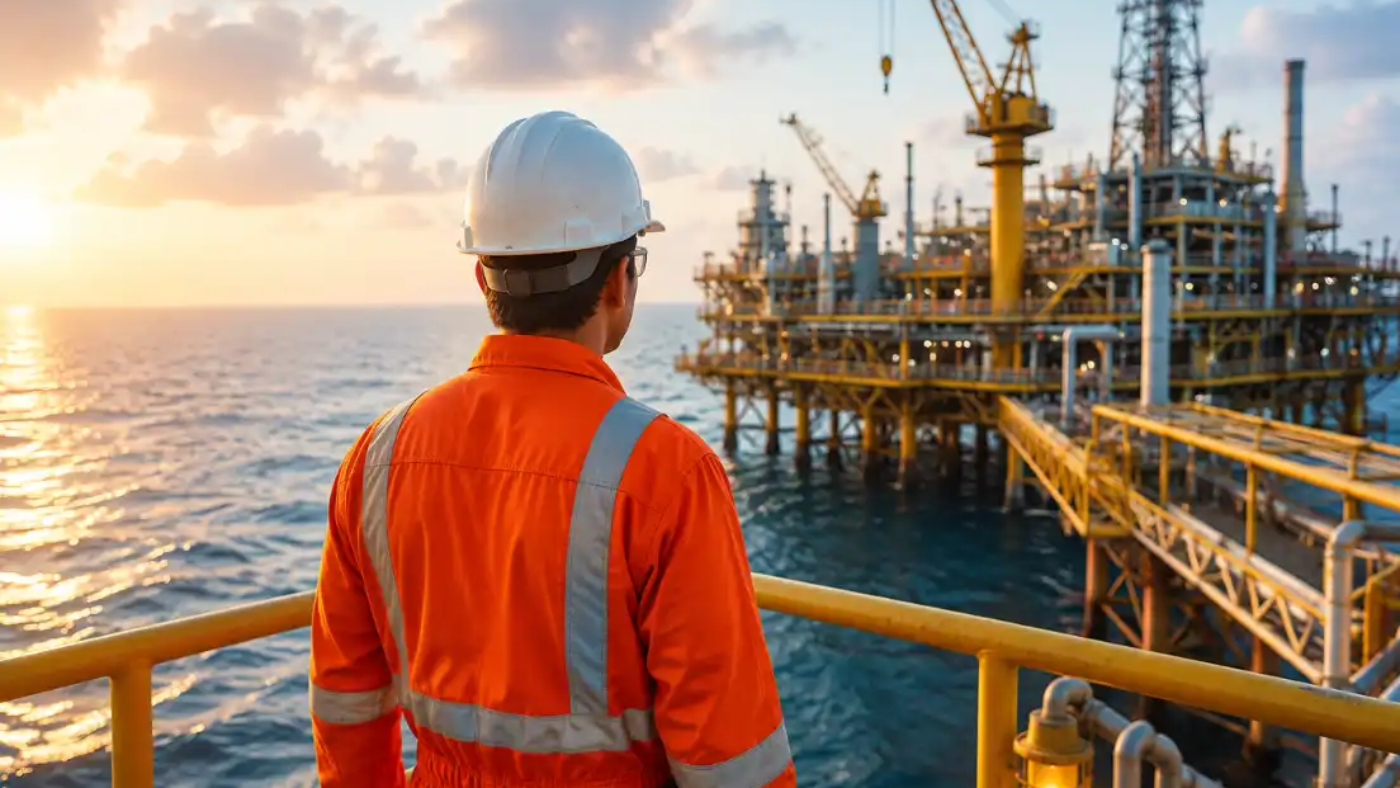
Kerala has quietly turned into one of the go-to states for freshers who want to break into oil and gas and honestly, a big part of that comes down to how many offshore training programs are now available close to home. If you’ve just finished 12th, a diploma or an engineering degree, working offshore can feel like a distant, almost intimidating idea. Offshore training exists to close exactly that gap. It takes curiosity and turns it into a skill set someone will actually hire you for. So if you’re a fresher trying to decide whether offshore training is worth the time and money, here’s an honest look at what it actually offers and why so many young professionals in Kerala are choosing this route.
1. It Opens Doors to a Genuinely Global Career
One of the best things about offshore training is that it isn’t tied to one country or region. Oil and gas operations run across the Gulf, Southeast Asia, Africa and beyond and the skills you build through offshore training travel with you. They’re recognized well outside Kerala even outside India. For freshers who’ve always wanted to work abroad, this is often the quickest, most structured way to get there. Compare that to other career paths where you need years of domestic experience before anyone even considers you internationally.
2. Freshers Don’t Need Years of Prior Experience
Here’s what makes offshore training different from a lot of technical careers: it doesn’t expect you to already know something. Courses are built for people starting from zero, taking them through theory and hands-on practice step by step. That’s a big deal for freshers who are ready to work now and don’t want to spend years gathering experience elsewhere just to qualify.
3. Hands-On Learning Builds Real Confidence
No amount of classroom study prepares someone for what an offshore site actually feels like. The better offshore training programs lean heavily on practical exposure. Simulators, safety drills, equipment handling that mirrors real rig conditions. This matters more than people expect, because there’s a real gap between understanding something on paper and being able to perform it when it actually counts. Freshers who go through this kind of structured, hands-on training tend to walk into their first job noticeably more confident than those who’ve only studied the theory. Employers pick up on this fast, usually within the first week of onboarding.
4. It Significantly Improves Job Readiness
Recruiters in oil and gas aren’t hiring people for a general interest in the field. They want candidates who already understand safety protocols, industry terminology and basic operational procedures before they’ve even set foot on site. That’s precisely what offshore training delivers, and it cuts down the learning curve considerably once someone is actually hired. It’s also a big reason offshore training graduates tend to get placed faster than freshers coming in with academic qualifications alone. The training does the groundwork employers would otherwise have to handle through long, expensive in-house onboarding.
5. Higher Earning Potential Compared to Unskilled Roles
Even entry-level offshore roles tend to pay noticeably more than comparable entry-level jobs in other industries largely because the work is specialized and takes place in a safety-critical environment. Freshers who complete recognized offshore training programs generally qualify for roles with stronger starting salaries than what they’d land in a typical first job elsewhere. And that earning potential doesn’t plateau. As freshers gain experience and pick up further certifications, it tends to grow quite a bit, especially for those who specialize into areas like inspection, quality control or safety operations.
6. Specialization Options Let You Shape Your Own Path
Offshore training isn’t a one-size-fits-all deal. Depending on what interests you, you can go into non-destructive testing, quality assurance and control or fire and safety each one leading down a different career path. This flexibility matters a lot for freshers who aren’t fully sure yet which direction suits them, since offshore training often works as a foundation first, with specialization coming later once there’s more clarity. Kerala has seen a real rise in institutes offering this layered kind of training, letting freshers start broad and narrow things down as they figure out what fits.
7. Strong Local Access Without Needing to Relocate
For freshers already in Kerala, proximity is an underrated benefit. Instead of relocating to another state or spending heavily on travel and accommodation just to access decent offshore training, many freshers can now find solid programs close to home. That local access means more consistent attendance, staying near your support system and skipping the extra financial strain that comes with relocating during training.
Calicut, in particular has grown into something of a regional hub for offshore training, institutes there are increasingly known for a practical, industry-relevant approach rather than a purely theoretical one.
8. Safety Training Reduces Risk From Day One
Offshore work carries real risk and good offshore training doesn’t treat safety as an afterthought. It’s built in from the start. Many of these modules follow standards set by OPITO, the body that certifies safety training across the offshore industry worldwide, covering emergency response, firefighting basics, sea survival and general risk awareness long before freshers ever set foot on an actual site. his isn’t a box-ticking exercise. It genuinely reduces the odds of freshers getting caught off guard by situations they’ve never trained for. Employers care about this a lot too. A candidate who’s already safety-trained needs far less hand-holding once they’re on the job, which makes them a noticeably more attractive hire from day one.
9. Networking With Industry Professionals
Something that tends to get overlooked: the access freshers get to real industry professionals during offshore training. A lot of institutes bring in trainers who’ve actually worked offshore and some go further, organizing recruiter interactions or industry visits. These connections can end up being just as valuable as the certificate. A lot of offshore hiring still happens through referrals and word of mouth within the industry not just applications.
10. It Builds a Long-Term, Scalable Career
Offshore training was never just about landing that first job. It’s about setting up a career that can actually grow. Freshers who start with foundational offshore training often go on to pursue advanced certifications, move into supervisory roles or specialize further as they gain experience. There’s real progression here not a dead end after the first placement.
What to Expect During an Offshore Training Program
If you haven’t gone through anything like this before, it helps to know roughly what to expect. Most offshore training programs mix classroom sessions on industry fundamentals with practical, simulator-based training that mimics real offshore conditions. Depending on the specialization that could mean equipment handling, safety drills, inspection techniques or quality control procedures. Programs typically run anywhere from a few weeks to a few months, depending on how deep the specialization goes. Reputable institutes also tend to build in assessments throughout the course rather than relying on one final exam. So freshers build competence gradually instead of cramming everything at the last minute. Knowing this going in helps freshers set realistic expectations and actually commit to the process rather than treating it as a quick formality on the way to a job offer.
Choosing the Right Offshore Training Institute in Kerala
Since offshore training can shape a fresher’s entire career trajectory, choosing the right institute matters just as much as choosing to train in the first place. Look for programs with strong placement records, trainers who’ve genuinely worked offshore and hands-on facilities rather than purely theoretical coursework. Freshers researching oil and gas courses in Calicut should also check whether the institute has industry connections that go beyond just handing out a certificate.
The best oil and gas institute in kerala has built its reputation around exactly this kind of practical, placement-focused offshore training. With a curriculum that blends real hands-on practice with guidance from trainers who’ve actually worked in the field, Rig Offshore Academy has positioned itself as a solid starting point for freshers who are serious about building a genuine offshore career, not just collecting another certificate.
Conclusion
Offshore training gives freshers in Kerala a real, structured path into an industry that can otherwise feel out of reach. From global career opportunities and stronger starting salaries to safety preparedness and room to specialize, the benefits go well beyond having a certificate to show for it. For anyone serious about stepping into the oil and gas sector, putting in the time on the right offshore training program early can be the difference between struggling to break in and starting a career with real momentum behind it.
Leave A Comment