NDT Level II Course in Calicut, Kerala
M-Tech, B-Tech Diploma, PG Degree, +2
Course Duration
6 Months
Course Details
Non-Destructive Testing is also known as NDT. It refers to the methods used to inspect materials, components or equipment without damaging them checking their condition, quality or hidden flaws before they become real problems.
If you’re looking for an NDT Level II course in Calicut, Rig Offshore Academy offers hands-on training designed to meet real industry standards, not just classroom theory. NDT techniques are used across a wide range of industries, including oil and gas, automobile, nuclear, medical and aerospace along with manufacturing and maintenance work. There are seven common NDT techniques:
- Radiographic Testing (RT)
- Liquid Penetrant Testing (LPT)
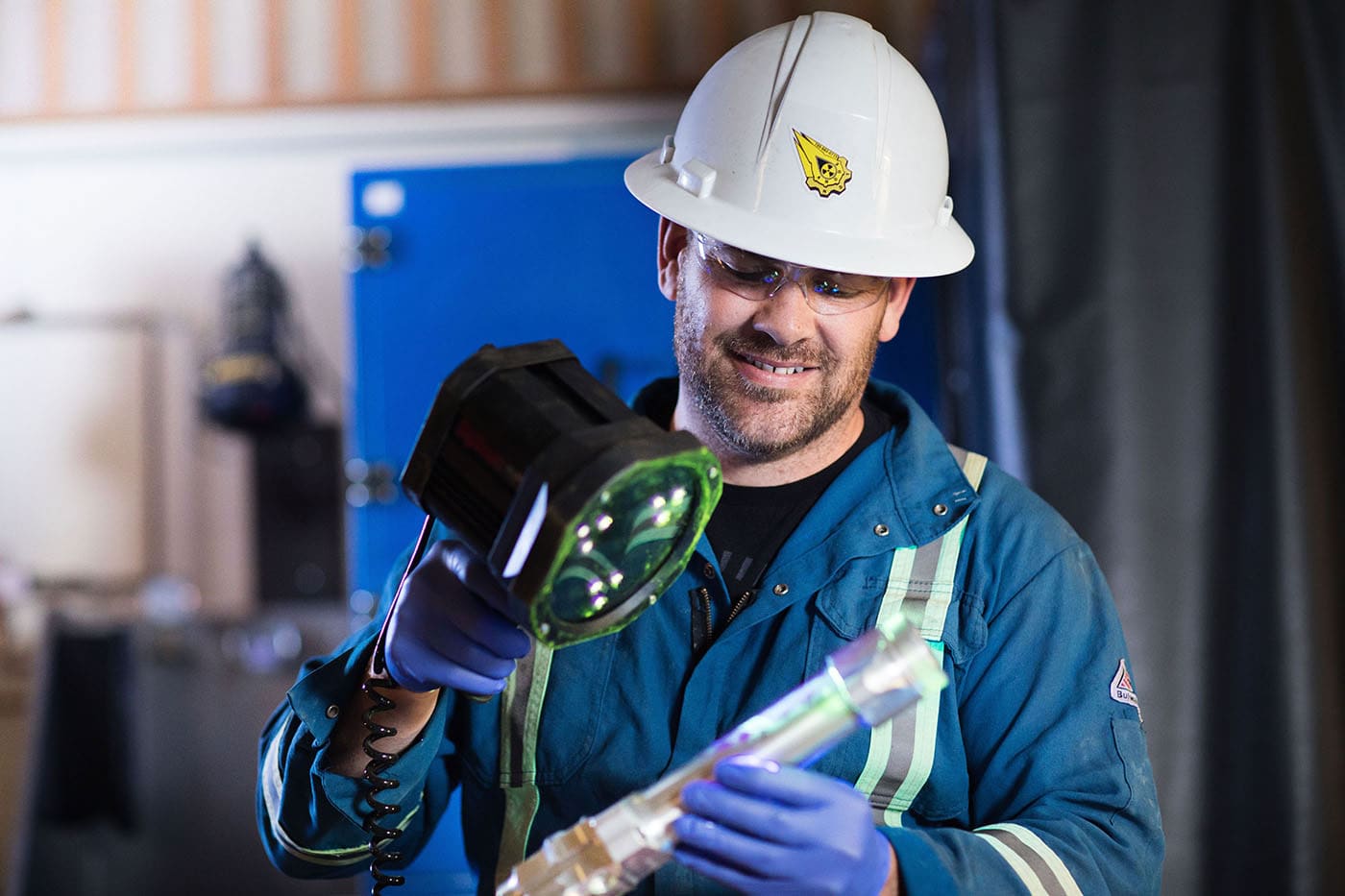
- Magnetic Particle Testing (MPT)
- Visual Testing (VT)
- Ultrasonic Testing (UT)
- Radiographic Film Interpretation (RTFI)
Rig Offshore Academy was the first institution in Kerala to offer NDT courses and today we remain one of the few places offering a proper NDT Level II course in Kerala with hands-on, industry-relevant training. Our 45-day program covers all major testing techniques and leads to ASNT Level 2 NDT certification, giving you a credential that’s recognized across the industry.
What Are the Key Learning Components of This NDT Level II Course?
This NDT Level II course in Calicut goes beyond identifying testing methods, it trains you to apply them the way certified inspectors do on the job. Key components of the training include:
- Interpretation of Test Results – Reading and evaluating RT films, UT signals and MPT/LPT indications to identify real defects
- Codes and Industry Standards – Working with ASNT and relevant international codes used for inspection and certification
- Equipment Calibration and Handling – Correct setup, calibration, and handling of NDT instruments before and during inspection
- Defect Classification and Reporting – Documenting findings in line with industry-standard inspection reports
- Surface Preparation and Inspection Techniques – Preparing components correctly for accurate testing results
- Safety Protocols in NDT Inspection – Following safety procedures required when working with radiographic and other testing equipment
- Practical Lab-Based Testing – Hands-on sessions that replicate real inspection scenarios on rigs, plants and manufacturing sites
By the end of the program, this NDT Level II course in Kerala prepares you not just to identify defects, but to inspect, document and report to the standard ASNT-certified professionals are expected to meet.
Benefits
-
ASNT’s international certification
-
ASNT Level 1 and Level 2 certification creates career opportunities and strengthens their ability to move across worldwide.
-
Career opportunities for ASNT Level 1 and Level 2 holders in Refineries, Rigs and Power plants all over the world
-
Get an upper hand in the NDT Sector for a new job
-
More Job opportunities
-
Better Job opportunities
Job Opportunities After NDT Level II Course in Calicut
Completing an NDT Level II course in Kerala opens the door to a wide range of technical and inspection-focused roles across industries that demand strict quality and safety standards. Graduates of our program go on to work in positions including:
-
NDT Technician
-
NDT Supervisor
-
Radiographic Testing (RT) Inspector
-
Ultrasonic Testing (UT) Inspector
-
Magnetic Particle Inspector
-
Liquid Penetrant Testing Specialist
-
Quality Control Inspector
-
Welding Inspection Officer
Why Choose Us
When it comes to NDT Level II course in Calicut, Rig Offshore Academy stands apart for one reason: over 8 years of hands-on training that actually gets results. Our instructors aren’t reading off slides, they’re industry professionals who’ve worked NDT inspections in the field and know exactly what employers expect from a certified technician.
Our NDT Level II program covers all major methods, UT, RT, MT, PT and more, with practical, lab-based training that mirrors real inspection scenarios, not just theory. The syllabus is updated regularly to match current ASNT and industry standards, so you’re trained on what’s actually used on rigs and plants today, not outdated methods. What really sets us apart is our placement support. We don’t stop at certification, we connect our graduates with real opportunities in the oil and gas and inspection industry. If you’re looking for an NDT Level II course that takes your career seriously, Rig Offshore Academy is where you start.
8+ Years of Experience
Qualified Faculties
100% Placement
Industry Training
Frequently Asked Questions
Does work experience required for the NDT Level II course in Kerala?
No prior industry experience is required. The course is designed for both freshers and working professionals looking to specialize in non-destructive testing.
How is NDT Level II different from NDT Level I?
Level II training goes beyond basic inspection skills, covering technique interpretation, defect evaluation, and reporting, qualifying you to independently perform and sign off on inspections rather than just assist under supervision.
Is classroom learning enough, or is practical training included?
The course is practical-first. You’ll work directly with equipment and real testing scenarios, so you leave job-ready rather than only theory-trained.
Which industries hire NDT-certified professionals the most?
NDT Level 2 professionals are in high demand across oil and gas, refineries, power plants, aerospace, automotive and shipbuilding industries, since these sectors rely on regular inspection of equipment and structures to prevent failures and ensure safety compliance.
Why choose an NDT Level II course in Kerala instead of other states?
Kerala, particularly Kozhikode, has become a growing hub for NDT and oil & gas training, and Rig Offshore Academy’s early presence in this space means more established faculty, updated facilities, and a stronger placement network compared to newer institutes elsewhere.